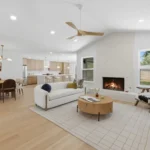
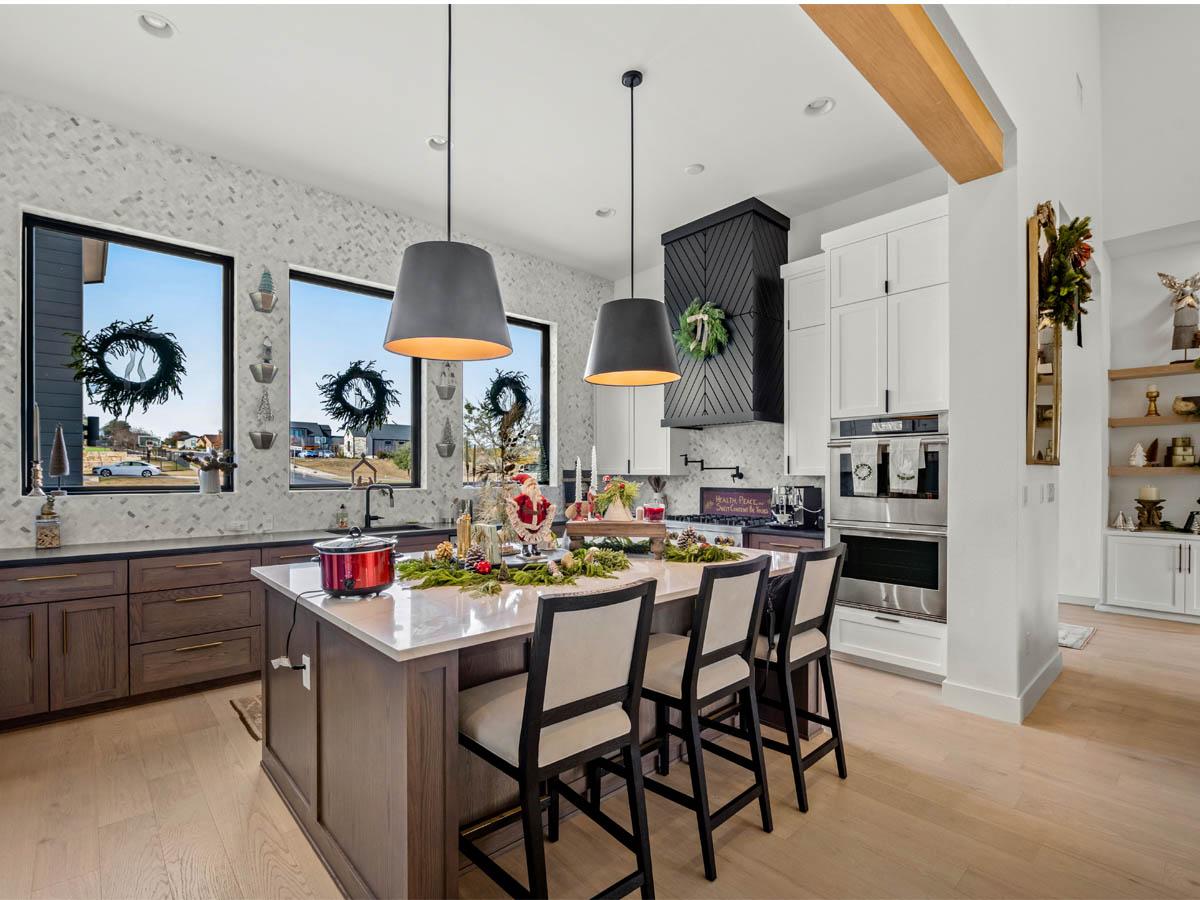
Do you walk through your home and feel like the walls are closing in? You are not alone. Thousands of Austin homeowners live in houses that feel smaller than they actually are — and the fix is not always a full addition. The right small space remodeling strategy can open up your layout, improve daily flow, and increase your home’s value without adding a single square foot. The licensed remodeling specialists at NuHorizon have helped Austin families transform tight, dated spaces into open, stylish homes. Here is how you can do the same.
What Makes Small Space Remodeling Different from a Standard Renovation?
A small space remodel is not just about aesthetics. It is a strategic approach to layout, light, storage, and flow. You are solving a spatial problem — not just updating a finish. The result should feel like you gained square footage even when the walls never moved.
You need to think about every surface, every transition, and every inch of vertical space. That is what separates a good small space remodel from a forgettable one.
How Do You Open Up a Small Home Without Adding Square Footage?
Remove Walls That Are Blocking Flow
A half wall, a non-load-bearing partition, or a closed-off entry can make an entire floor plan feel suffocating. Removing it is often the single most impactful move in small space remodeling. You immediately create visual continuity between rooms and allow light to travel deeper into the home.
It is important to always confirm with a structural engineer before removing any wall. Load-bearing walls require a beam replacement — but even that is manageable with the right team.
Raise the Ceiling Where Possible
A vaulted or raised ceiling transforms the feel of a room completely. Even going from 8 feet to 10 feet changes how your brain perceives the space. You get more light, more air, and a more architectural look — all without touching the footprint.
The expert team at NuHorizon full home remodeling has vaulted ceilings in compact Austin ranch homes as part of larger whole-home transformations — the results are dramatic.
What Are the Best Storage Solutions for a Small Space Remodel?
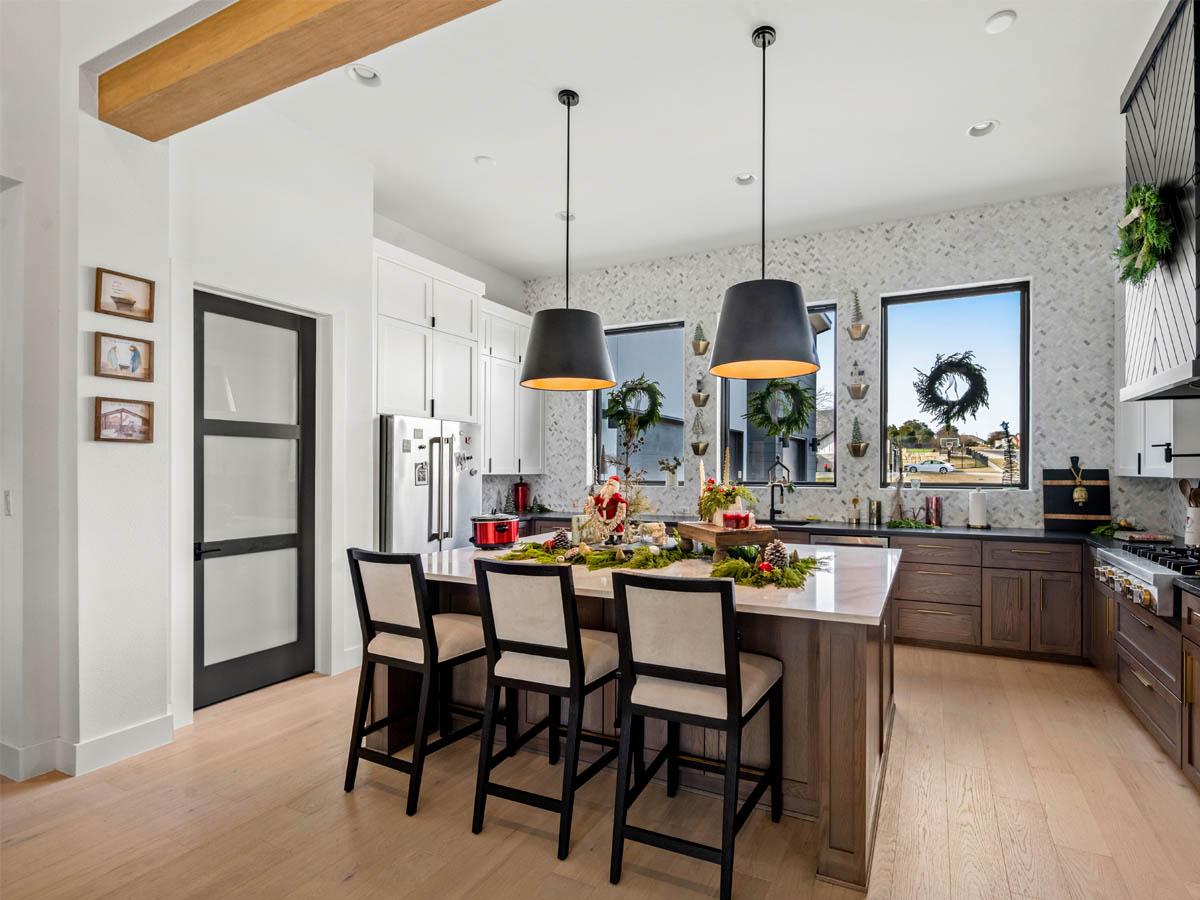
Storage is the backbone of every successful small space remodel. You should approach it systematically — floor to ceiling, wall to wall.
- Custom built-in cabinetry uses every inch of wall space without crowding the floor
- A kitchen island with under-counter storage doubles as prep space and seating
- Floating shelves replace bulky furniture and keep the floor clear
- Window seats with hinged lids turn unused nooks into storage gold
- Pull-out pantry columns fit in gaps between appliances that most homeowners ignore
How Does Color and Texture Affect a Small Space?
Color is one of the most affordable and highest-impact tools in small space remodeling. You do not need to paint everything white — but you do need to understand how color moves the eye.
Light, neutral tones on walls and ceilings push boundaries outward. Consistent flooring throughout an open plan removes visual stops that make rooms feel smaller. Vertical tile patterns in bathrooms draw the eye upward and make ceilings feel higher.
It is smart to keep the color palette cohesive across adjoining spaces. Visual continuity between a kitchen and a living area makes the combined space feel larger than either room alone.
Which Rooms Benefit Most from Small Space Remodeling?
The Kitchen
A cramped kitchen is one of the most common complaints from Austin homeowners in older properties. You can transform it by extending countertops, adding a peninsula, reconfiguring the layout, or simply replacing upper cabinets with open shelving to reduce visual weight.
The Bathroom
A bathroom remodel focused on spatial efficiency can feel like a luxury upgrade. Walk-in showers replace bulky tub surrounds. Floating vanities open up the floor. Large-format tiles reduce grout lines and make the space feel bigger. You can see real results on the NuHorizon Pflugerville bathroom remodel project page.
Unused Rooms and Dead Zones
Every home has at least one room that serves no real purpose. A cold spare room, a pass-through hallway, or an awkward corner. Small space remodeling turns those forgotten areas into breakfast nooks, reading corners, home offices, or yoga spaces — all without adding a single wall.
What Do Austin Homeowners Get Wrong About Small Space Remodeling?
The most common mistake is treating a small home like a small version of a large one. You try to fit the same furniture, the same layout, the same number of cabinets — and it all feels cluttered.
You should design for your actual daily habits, not for an imaginary version of the space. A smaller dining table, fewer but better pieces of furniture, and a layout that supports movement instead of fighting it — those choices define a successful small space remodel.
How Much Does Small Space Remodeling Cost in Austin?
Costs depend heavily on scope. A focused kitchen remodel or bathroom upgrade typically ranges from $15,000 to $40,000 in Austin. A full small-home transformation — walls removed, ceilings raised, new finishes throughout — can range from $60,000 to $120,000 or more depending on the complexity.
You can learn more about remodeling investment ranges from the National Association of the Remodeling Industry, which publishes annual data on remodeling costs and return on investment.
Ready to Make Your Small Space Feel Big?
You now have a full toolkit for approaching your small space remodel the right way. The next step is a free, no-pressure conversation with the certified specialists at NuHorizon. Head to the NuHorizon Experts and request your free estimate. Your home has more potential than you think — let the team help you unlock it.