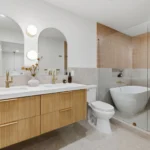
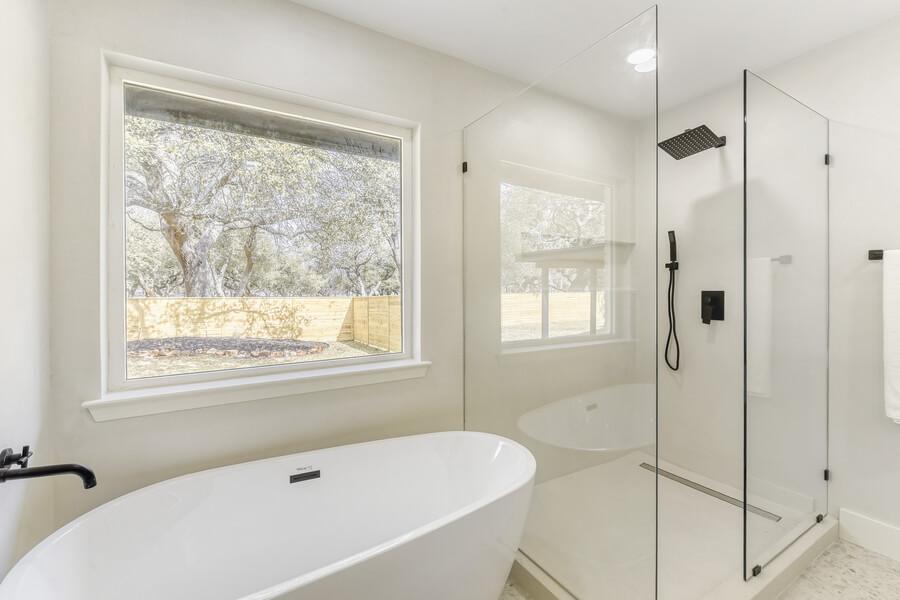
If you are searching for help to avoid bathroom remodel mistakes, you are already thinking more carefully than most homeowners who start a renovation without this kind of preparation. Bathroom remodeling mistakes are common, they are expensive, and most of them are completely preventable if you know what to look for before, during, and after the project.
This guide covers the mistakes that cost Austin homeowners the most money in corrective work, in time, and in daily frustration along with specific, actionable ways to prevent each one.
Austin homeowners have avoided the most common bathroom remodeling pitfalls by working with the bathroom renovation experts from the very first planning conversation. The team’s process is specifically designed to prevent the errors that other contractors leave behind.
Why Do Bathroom Remodel Mistakes Happen in the First Place?
Most bathroom remodel mistakes happen because of one of three root causes: inadequate planning before demo begins, insufficient contractor vetting before signing, or a scope of work that does not specify materials and methods clearly enough to prevent disputes or substitutions.
For a realistic picture of what goes wrong in bathroom renovations and how to recognize the warning signs early, bathroom remodelers near me red flags to avoid covering the specific contractor behaviors that precede most project failures.
Mistake 1 Starting Construction Before Finalizing All Material Selections
This is the most common and most disruptive bathroom remodel mistake. Demo begins before you have chosen your tile, your vanity, your fixtures, or your lighting. Then the contractor needs the tile to complete the floor rough-in. The tile you chose is out of stock for 10 weeks. The project stops.
Every material decision should be made and documented before any demolition begins. Tile selection, grout color, vanity dimensions, fixture finish, shower fixtures, mirror, lighting, hardware all of it. Your contractor should not swing a hammer until a full material specification sheet is signed off by both parties.
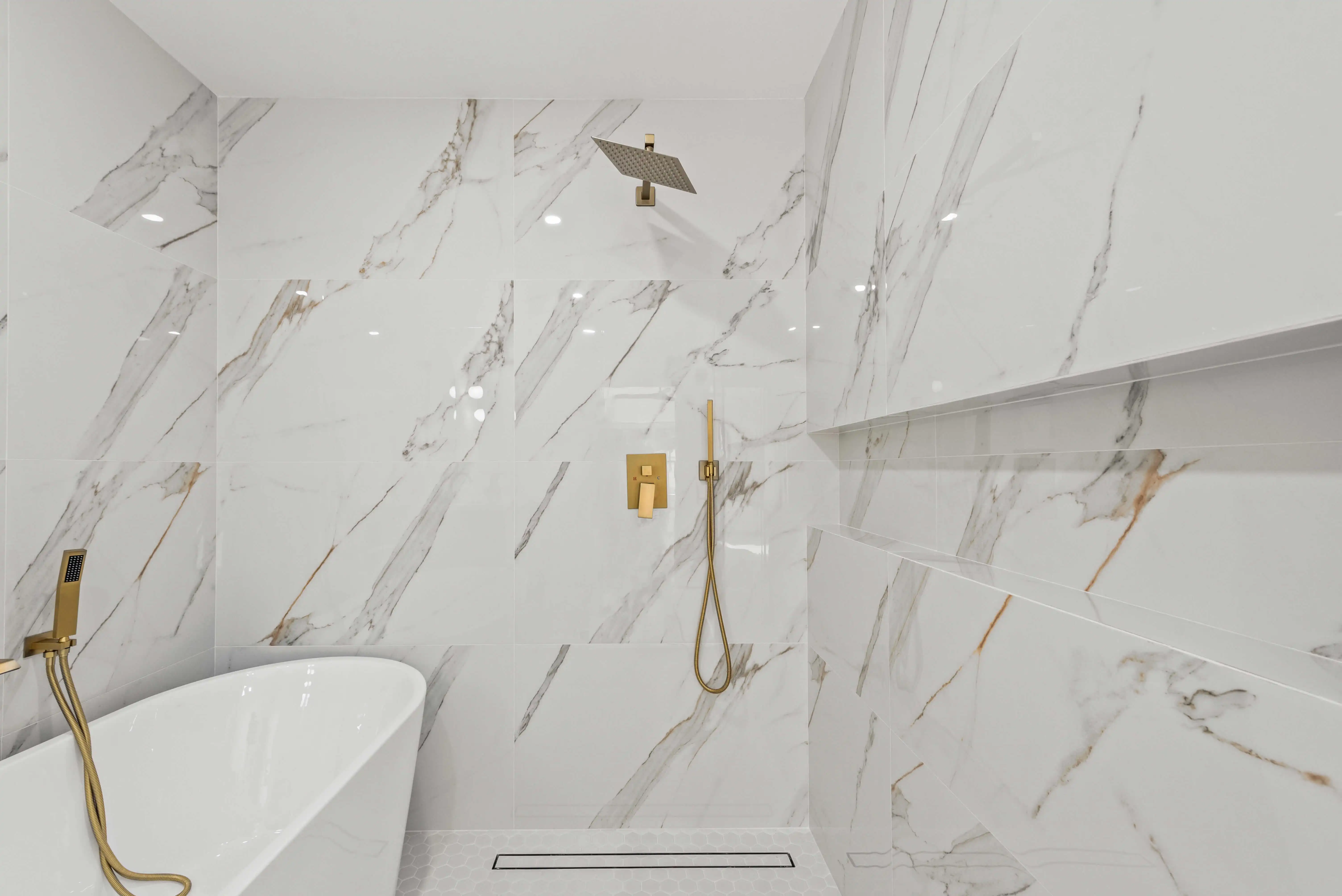
Mistake 2 Skipping Waterproofing to Save Money
Inadequate waterproofing is the root cause of the most expensive bathroom remodel corrections in Austin. Water that penetrates behind tile causes mold, rot, and structural damage that does not appear on the surface for months, sometimes years. By the time you see the grout lines darkening or the wall softening, the damage behind it is significant.
A proper waterproofing system cement board substrate, liquid-applied waterproofing membrane, and properly taped seams adds $800 to $2,000 to a standard bathroom remodel. The corrective cost when waterproofing fails is $8,000 to $25,000. This is not a place to negotiate prices.
Mistake 3 Choosing a Contractor Based Only on Price
A bathroom remodel quote that is 40% lower than all other bids is not a deal, it is a warning. The savings come from somewhere: skipped waterproofing, unlicensed trades, uninsured workers, substandard materials, or a crew that will not be available when problems arise mid-project.
For guidance on evaluating bathroom contractors based on verified credentials and documented project quality, the Nuhorizon remodeling service outlines the standards every Austin homeowner should require.
Mistake 4 Poor Ventilation Planning for Austin’s Humidity
Austin’s humidity creates a bathroom moisture environment that an undersized exhaust fan cannot manage. An inadequately ventilated bathroom develops mold on grout, paint failure on the ceiling, and eventual drywall damage regardless of how good the tile work is. Exhaust fan sizing must be matched to the bathroom’s square footage and the shower steam output.
How to Size a Bathroom Exhaust Fan Correctly
The minimum standard is 1 CFM per square foot of bathroom floor area. A 60-square-foot bathroom needs at least a 60 CFM fan. A spa shower in a 100-square-foot master bath should have 150 CFM or more. The fan must be ducted to the exterior not into the attic and the duct run should be as short and straight as possible.
Mistake 5 Ignoring Floor Flatness Before Tile Installation
Tile lippage visible height differences between adjacent tiles is one of the most common complaints after a bathroom remodel. It almost always results from setting tile on a floor that was not properly leveled and flattened before installation. ANSI standards require floors to be flat within 1/8 inch over 10 feet before large-format tile is installed.
Self-leveling compound applied before tile installation is the correct fix. Skipping it to save time is a mistake. The repair removing tile, grinding down lippage, re-installing costs far more than the self-leveling compound would have.
Mistake 6 Not Getting Everything in Writing
Verbal agreements become disputes. A written scope of work with specific material designations brand, model, finish, color eliminates the contractor’s ability to substitute cheaper products without your knowledge. Every change during construction should be documented as a written change order with a cost impact before work proceeds.
For a detailed look at how material specifications protect homeowners in renovation contracts, lessons from a full home remodel gone wrong documents the specific contract failures that lead to the most painful remodeling outcomes.
How Do You Avoid All of These Bathroom Remodel Mistakes?
The answer is a combination of thorough contractor vetting, complete material selection before demo, a detailed written contract, and a team that communicates proactively throughout the project. These are not exceptional standards; they are the baseline you should require from any contractor you hire.
Contact the NuHorizon Remodeling specialist bathroom team builds all of these standards into every project by default. Request your free consultation today and start your bathroom remodel with a plan designed to avoid every mistake described in this guide.
For research on residential construction quality standards and what codes govern bathroom renovation work, the International Residential Code provides the regulatory framework that defines minimum standards for waterproofing, ventilation, and electrical work in bathroom remodeling projects across Texas.