
Expanding your Austin house is extremely exciting. However, you must carefully evaluate your structural base before beginning any new construction. Our expert home additions team sees this frequently.
Expansive clay soil dominates suburbs like Round Rock and West Lake Hills. As a result, local slabs shift. A cracked foundation needs home addition planning to pause immediately.
You must repair underlying structural damage before expanding your total square footage. Otherwise, your new rooms will fail. In fact, ignoring warning signs wastes money.
Identifying When a Cracked Foundation Needs Home Addition Planning
Homeowners must spot the difference between minor wear and major danger. Hairline surface cracks are often cosmetic. Conversely, wide exterior stair-step cracks indicate extremely serious structural trouble for your property.
You might notice interior doors sticking unexpectedly inside your house. Uneven floors also suggest severe movement. Fortunately, identifying these specific warning signs early saves significant time and frustration.
Central Texas weather cycles make these common property problems much worse. Heavy spring rains saturate the yard dirt quickly. Then, brutal summer droughts shrink that soil rapidly, causing severe concrete stress.
This constant ground movement cracks slabs easily. Therefore, a cracked foundation needs home addition projects delayed until repairs finish. You must fix the concrete base first.
Cosmetic Versus Structural Damage Differences
We always evaluate the specific severity of your unique slab damage. Compare the most common property symptoms below. Proper identification prevents disastrous building mistakes during your upcoming major renovation.
- Minor Damage: Lines under one millimeter wide.
- Structural Danger: Large concrete gaps wider than a quarter inch.
- Major Failure: Deep cracks wrapping entirely around the corners of your home.
If you see structural danger, stop your project immediately. Working on broken concrete is unsafe. Consequently, your upcoming home expansion will lack vital physical support underneath.
Building Risks for Central Texas Homeowners
Adding heavy weight to a broken slab is incredibly dangerous. The compromised base sinks very fast. As a result, your expensive new wall framing warps terribly over time.
Your new expansion could physically pull away from the main house. This terrible shifting creates massive exterior wall gaps. Sadly, destructive rainwater leaks into these open interior spaces incredibly easily.
Ignoring structural engineering Austin TX guidelines causes costly building delays. You will definitely fail city inspections. For example, Pflugerville municipal inspectors strictly check existing slab integrity before approving permits.
Failing these careful municipal inspections halts your entire construction schedule completely. Your required material warranties become legally void. Ultimately, rushing this crucial preparation process costs thousands in preventable replacement fees.
Permitting and Strict Local Codes
Building an accessory dwelling requires strict local legal compliance. City officials rigorously enforce all local building codes across the entire metro area. Therefore, you must submit detailed engineering plans early.
Planning an ADU and garage conversion requires base inspections. The original poured concrete must properly support the new structural weight. Building ADU on slab foundation requires caution.
You cannot bypass these strict municipal safety regulations. Local authorities carefully verify every single structural engineering report submitted for approval. Thus, following official rules keeps your project moving.
Understanding Home Addition Soil Reports Central Texas Properties Require
We require a structural assessment before framing begins. A licensed expert engineer evaluates the dense dirt directly under your house. Consequently, we understand the exact load capacity of the supporting ground.
Austin clay soil expands forcefully when wet. Because of this, home addition soil reports Central Texas properties demand are vital. We use this specific data to design proper support systems safely.
Concrete foundation stabilization relies entirely on highly accurate testing. Stabilization relies on accurate testing. Without good soil data, expensive foundation repairs will eventually fail again.
Knowing the soil composition removes dangerous guesswork. Engineers calculate exactly how many steel piers your sinking home requires. In short, data driven decisions guarantee a highly secure, long-lasting residential structure.
The Austin Foundation Repair Stabilization Process
Our dedicated team follows a strict sequence for complex structural repairs. First, we install deep steel piers. These incredibly heavy metal posts reach solid bedrock below the expanding clay.
Next, powerful hydraulic jacks carefully lift the house into its original place. This movement closes wall gaps securely. Meanwhile, we completely fill any remaining empty voids beneath the restored slab.
Finally, we properly integrate the new expansion base with the original footprint. This creates a highly stable transition. Ultimately, a heavily unified concrete base prevents future cracking across both sections.
Proven Success in Local Neighborhoods
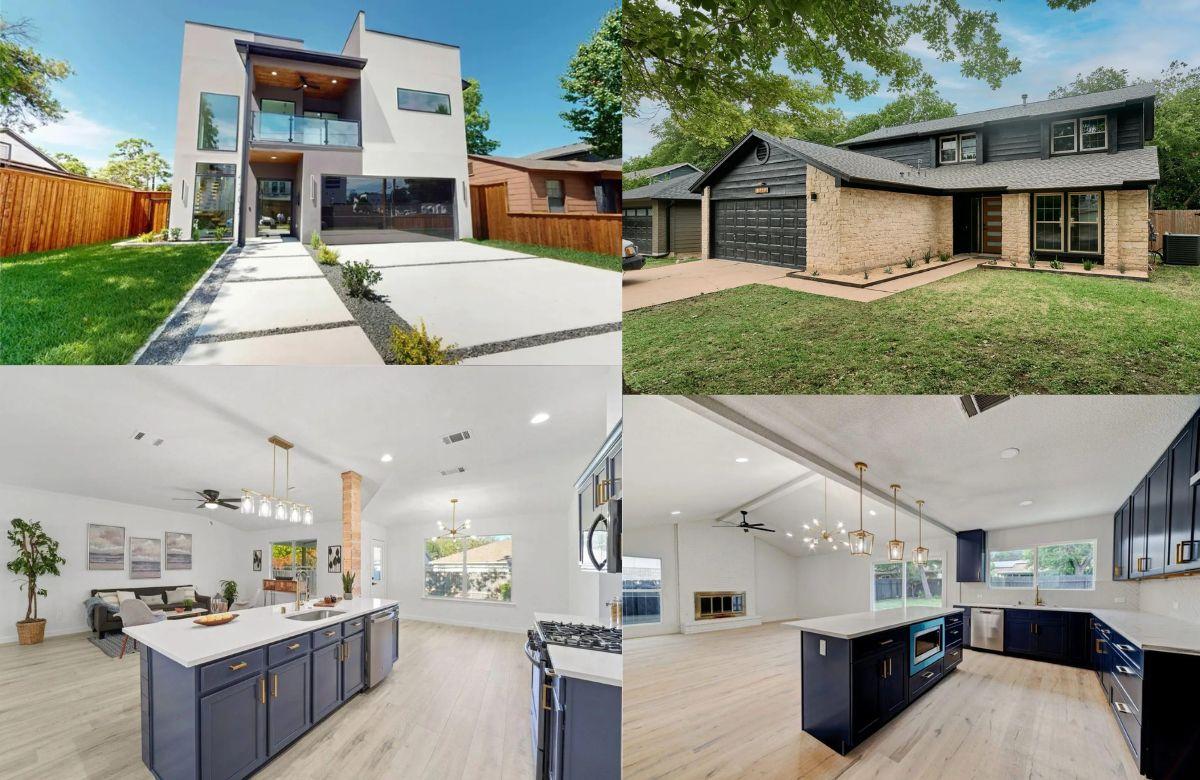
We recently managed major remodeling projects in Tarrytown. The client actually needed extensive water damage restoration completed before framing started. Their old slab suffered from severe moisture shifting.
We successfully stabilized the entire base using heavy duty steel piers. Afterward, our crew built a stunning expansion. Properties in West Lake Hills share these very similar restrictive soil challenges.
Handling these foundation problems early ensures success. You actively protect your massive real estate investment from preventable future damage. Indeed, local homeowners appreciate the peace of mind provided.
Common Austin Additions That Require Perfect Foundations
Certain home renovation projects place immense physical stress on your concrete slab. Heavy structural loads demand flawless support. Consequently, you must always prioritize base stability over aesthetic interior design choices.
A new kitchen expansion adds massive weight. Stone granite countertops and heavy commercial appliances press down incredibly hard. Therefore, sinking uneven floors will quickly ruin your beautiful expensive custom cabinets.
Adding a Second Story Over Existing Slabs
Building upward is highly popular in dense Austin residential neighborhoods today. However, second story additions double the load. This intense vertical pressure crushes weak concrete instantly without proper structural reinforcement.
Engineers often require additional interior steel piers before approving major vertical expansions. Contractors cut floors to install supports. Ultimately, stabilizing the physical center of your home actively prevents catastrophic collapses.
Why DIY Foundation Fixes Fail in Central Texas
Homeowners sometimes try patching visible concrete cracks with cheap store-bought epoxy resin. Unfortunately, this cosmetic fix fails. The heavy shifting expansive clay soil will simply break the weak patch.
True stabilization requires commercial grade hydraulic equipment. Professional construction crews excavate deeply around your property perimeter to place piers. Thus, you cannot fix a sinking house with simple sealant.
Unpermitted repair work ruins property resale value. Texas real estate disclosure laws legally require full transparency regarding structural foundations. Buyers immediately walk away from shoddy amateur stabilization attempts.
Start Your Austin Remodel on Solid Ground
Fixing your broken residential concrete is the safest construction path forward. Repairing structural faults protects your investment. Ultimately, a tremendously strong foundational base guarantees your brand new rooms last.
Do you suspect your property has structural issues? Our highly dedicated renovation team provides honest assessments for Austin homeowners. We identify any hidden foundational damage before your expensive home construction begins.
A cracked foundation needs home addition dreams delayed. You must properly fix the ground before framing any brand new walls. Contact us for a professional structural assessment today.
Frequently Asked Questions
1. Can you build on a foundation with settlement cracks?
You should never build directly on top of active settlement cracks. Adding weight worsens the structural damage. Always stabilize the moving concrete base before adding any new architectural framing.
2. Do I need a structural engineer for a home addition in Austin?
Yes, Austin building codes strictly require professional engineering reports for major additions. The city mandates these safety checks. Engineers ensure your existing concrete slab can safely hold the new weight.
3. How much does it cost to stabilize a foundation before an addition?
Costs vary widely based on the specific number of required steel piers. Minor leveling is relatively affordable. However, extensive deep pier installation for a large house costs significantly more.
4. What are the permitting requirements for building on existing slabs in Central Texas?
Local municipalities demand detailed soil reports and approved structural blueprints for permits. You must pass strict city inspections. Failing to secure these necessary building permits will completely halt your project.
Get Free Estimate