Bathrooms should provide comfort and safety for every member of the household. However, many Austin homes were built without accessibility in mind. Narrow doors, high tub edges, slippery flooring, and tight layouts can create daily challenges. Families caring for seniors or individuals with mobility limitations often face stress in what should be the safest room in the house.
The key question becomes clear. What makes a wheelchair accessible bathroom remodel services Austin that homeowners can truly depend on?
A properly planned renovation improves independence, prevents injuries, and supports long-term living. According to the Centers for Disease Control and Prevention, bathrooms remain one of the leading areas for home-related falls. Most incidents involve limited mobility, unstable surfaces, or difficult shower entry. Remodeling directly addresses those risks through smart layout and thoughtful design.
What Defines a Wheelchair Accessible Bathroom Remodel Austin Families Trust
A wheelchair accessible bathroom remodel Austin must go beyond cosmetic upgrades. Accessibility requires strategic planning of space, fixture height, and movement clearance. True universal design ensures the room works for individuals using wheelchairs, walkers, or other mobility aids.
The Americans with Disabilities Act recommends a sixty-inch turning radius for full wheelchair rotation. While private homes are not always required to meet ADA standards, applying those guidelines ensures comfort and maneuverability. Wider entry doors often represent the first modification. Many older Austin homes include bathroom doors measuring only twenty-four inches. Expanding the width to at least thirty-two inches dramatically improves access.
Clear floor space also matters. Crowded layouts reduce independence. Removing oversized bathtubs often creates the open area necessary for safe movement. Accessible remodeling focuses on removing barriers rather than adding clutter.
Planning the Ideal Wheelchair Accessible Bathroom Layout
Layout forms the foundation of successful remodeling. A wheelchair accessible bathroom layout must prioritize smooth transitions and open pathways.
Space and Turning Radius Requirements
A full sixty-inch turning circle allows a wheelchair to rotate comfortably. When space remains tight, alternative T-shaped turning areas may work. The area in front of the sink and toilet should remain clear of obstacles. Proper spacing between fixtures prevents restricted movement.
Door configuration also influences layout performance. Swinging doors consume valuable space. Pocket doors offer a more efficient solution and often increase usable square footage.
Roll-In Shower Design Principles
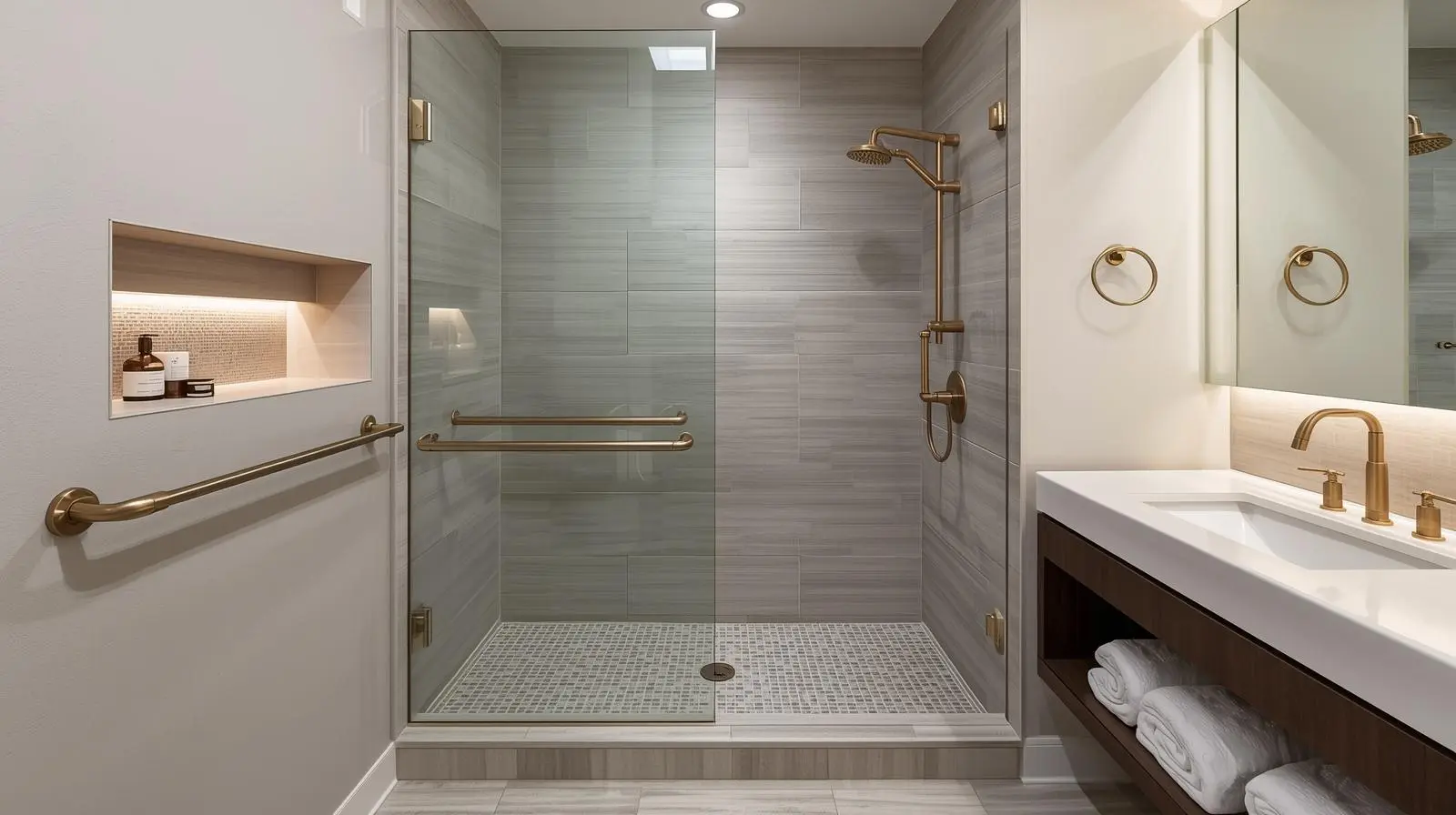
A curbless shower eliminates the need to step over a threshold. This single adjustment significantly reduces fall risk. Linear drains ensure water flows properly without creating uneven slopes. Non-slip tile enhances traction in wet conditions.
Roll-in showers generally require at least thirty-six inches of width to allow safe entry. Handheld shower heads mounted on adjustable bars provide flexibility for seated use. According to the National Kitchen and Bath Association, demand for walk-in and roll-in shower systems continues to rise as families prioritize aging-in-place solutions.
Wheelchair Accessible Bathroom Remodeling With Vanity
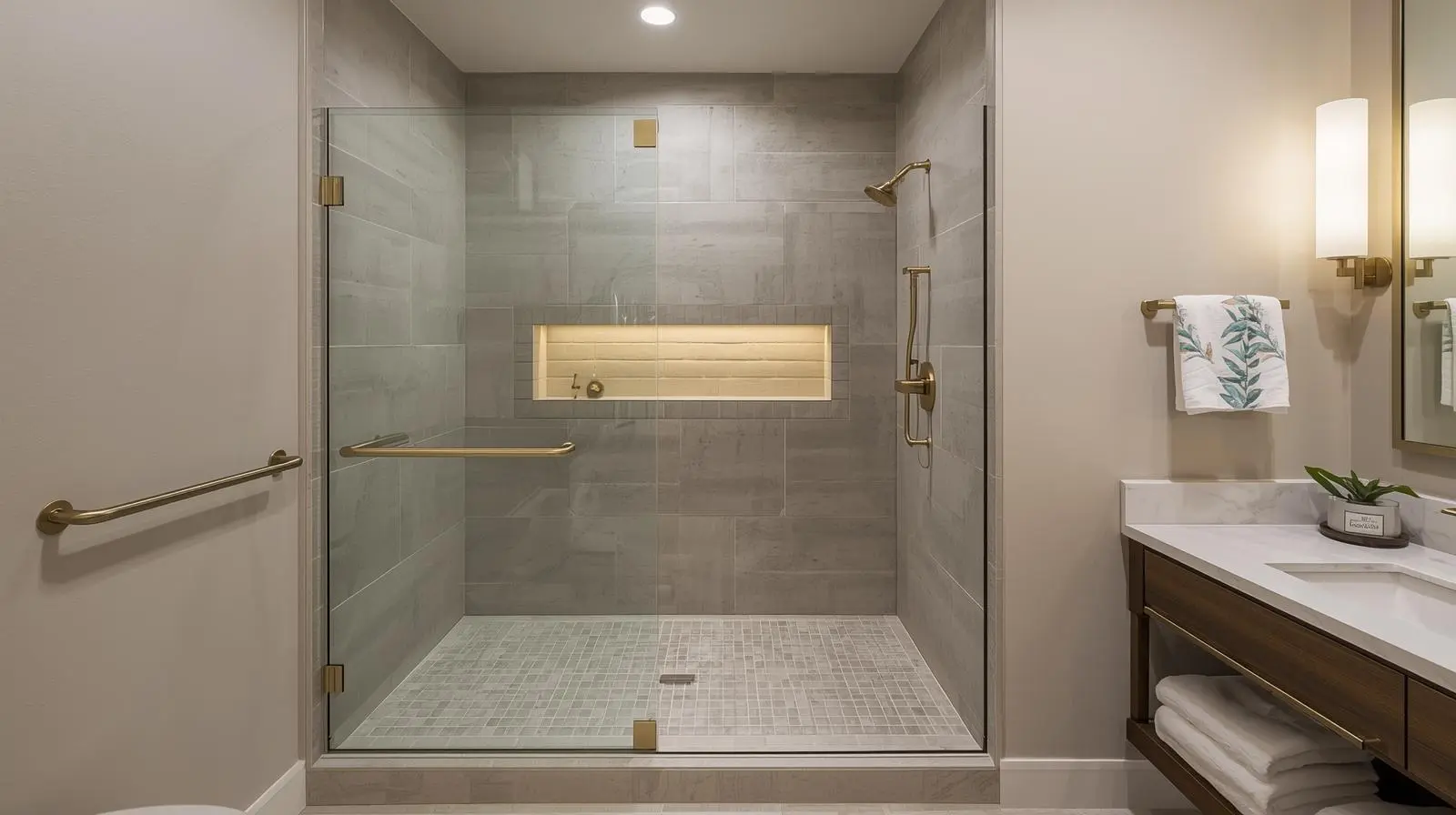
Vanity adjustments play a critical role in accessible remodeling. Wheelchair accessible bathroom remodeling with vanity solutions requires open knee clearance beneath the counter. Wall-mounted sinks or floating vanities often provide the best approach.
Open space beneath the sink should allow at least twenty-seven inches of height and thirty inches of width. Plumbing must include protective insulation to prevent accidental burns. Lever-style faucet handles reduce hand strain compared to traditional round knobs.
Mirror placement should also support seated use. Tilted mirrors or lower installation heights improve visibility. Storage elements such as pull-out drawers allow easier access compared to deep cabinet shelves. Accessibility does not require sacrificing aesthetics. Modern materials and sleek finishes allow accessible vanities to appear contemporary and refined.
Smart Features in Wheelchair Accessible Bathroom Remodeling Design
Technology enhances both safety and convenience. Wheelchair accessible bathroom remodeling design often integrates features that improve daily comfort.
Motion-activated lighting eliminates the need to search for switches. Anti-scald valves regulate water temperature and prevent sudden heat spikes. Reinforced grab bars provide stability when transferring between wheelchair and fixtures. Slip-resistant flooring reduces fall risk during wet conditions.
Research from AARP indicates that most adults prefer to remain in their homes long term. Accessible bathroom renovations represent one of the most impactful upgrades supporting that goal. Thoughtful remodeling provides confidence and peace of mind.
Structural Considerations in Austin Homes
Older Austin properties may require structural adjustments during remodeling. Walls often lack reinforcement necessary for secure grab bar installation. Subfloor leveling may need correction before installing a curbless shower system.
Plumbing relocation increases complexity and labor requirements. Whenever possible, keeping drain placement close to original positions helps streamline construction. Proper ventilation remains essential. Texas humidity levels demand effective exhaust systems to prevent mold growth.
Electrical updates may also be required. Ground fault circuit interrupter outlets must comply with current safety standards. Professional remodelers coordinate inspections to ensure every system meets local building codes.
Project Scope and Timeline Expectations
A wheelchair accessible bathroom remodel Austin typically progresses through several stages. Initial consultation establishes goals and assesses mobility needs. Detailed layout planning follows with scaled drawings. Permit review occurs when structural changes are involved. Demolition clears outdated fixtures. Plumbing and framing modifications prepare the layout for installation.
Waterproofing remains one of the most critical steps. Proper membrane systems protect the subfloor structure from long-term damage. Tile installation follows, along with fixture placement and hardware mounting. A final walkthrough confirms safety and performance.
Compact bathroom renovations often require several weeks depending on structural adjustments and inspection schedules. Houzz renovation studies show that well-managed bathroom projects maintain stronger timeline consistency when planning occurs before demolition begins.
Common Mistakes in Accessibility Remodeling
Mistakes in accessible bathroom remodeling often result from improper planning. Narrow doorway installation restricts movement. An incorrect shower slope leads to water pooling. Weak grab bar anchoring compromises safety. Poor lighting placement creates visibility issues.
Each detail influences daily usability. Professional oversight reduces risk and ensures long-term durability. Hidden components such as waterproof membranes and reinforced framing matter just as much as visible finishes.
Long-Term Value of Accessible Renovations
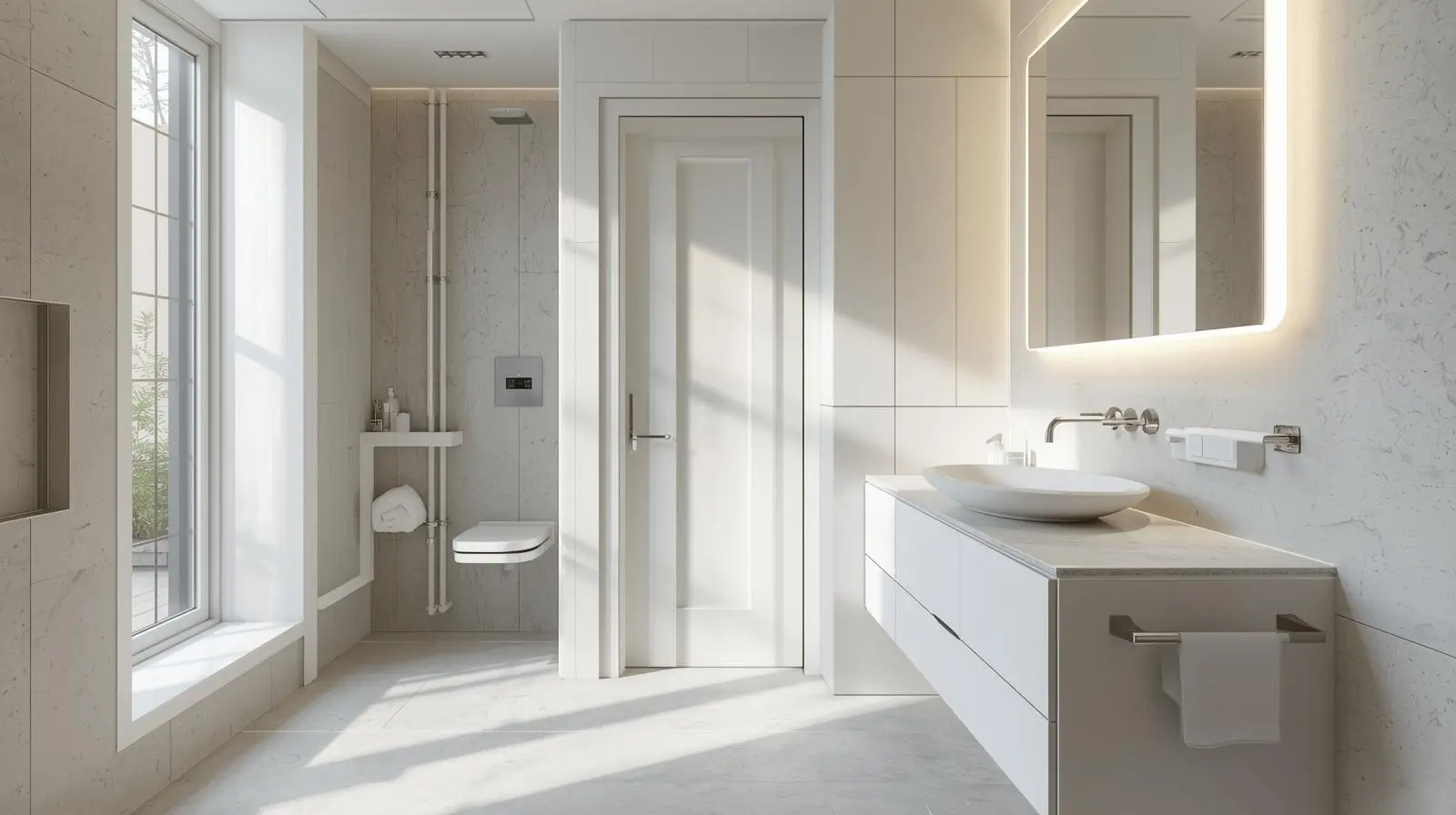
Accessible remodeling delivers benefits that extend beyond immediate mobility needs. A wheelchair accessible bathroom remodel Austin families invest in improves safety, independence, and property appeal. Remodeling Magazine consistently ranks bathroom renovations among high-return home improvements.
Universal design principles also benefit households experiencing temporary injuries or recovery periods. A curbless shower serves every family member, regardless of age or mobility level.
Accessibility represents preparation for the future rather than limitation. A thoughtfully designed bathroom adapts as needs evolve.
Why Professional Remodelers Matter
Precision defines successful accessibility remodeling. Accurate measurements prevent clearance conflicts. Reinforced framing secures grab bars properly. Drain slope alignment prevents standing water. Code compliance ensures safety and protects resale value.
NuHorizon Remodeling Contractors specializes in carefully planned bathroom renovations throughout Austin. Each project prioritizes safety, durability, and refined design. Structured workflows guide homeowners from consultation through completion.
Professional expertise ensures that accessible bathrooms meet functional requirements without sacrificing modern aesthetics.
Is Your Bathroom Ready for Long-Term Comfort
Mobility needs often change gradually. Planning ahead eliminates the pressure of urgent renovations. A wheelchair accessible bathroom remodel Austin project creates freedom, confidence, and comfort for years to come.
Smart layout removes obstacles. Curbless showers simplify entry. Accessible vanities improve usability. Slip-resistant flooring enhances safety.
A well-designed bathroom restores independence and peace of mind. Thoughtful remodeling transforms daily routines into safe, stress-free experiences.