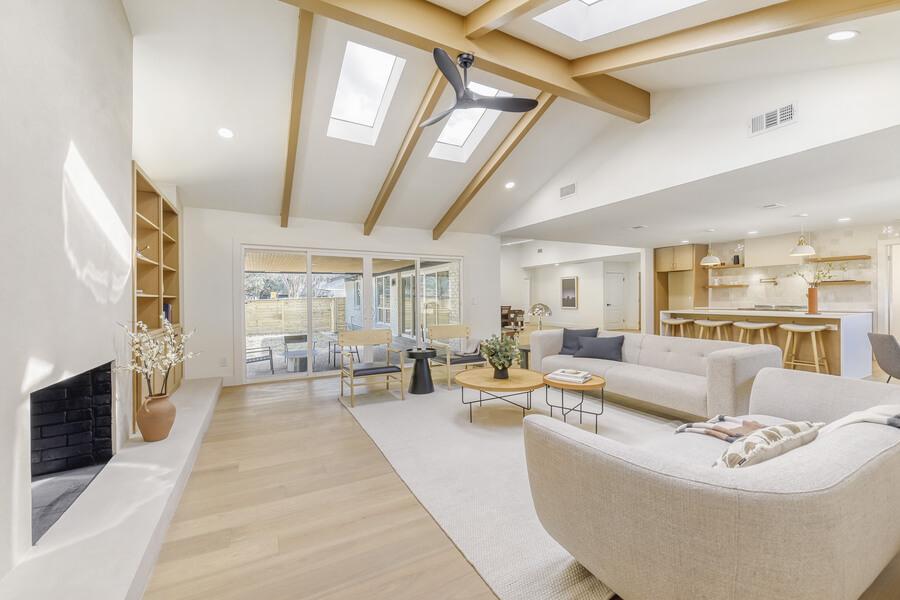
You have built a life in your home. You want to stay there — comfortably, safely, and independently — for as long as possible. That is the goal of aging in place remodeling. It is not about converting your home into a medical facility. It is about making thoughtful changes that support you as your body and your needs evolve. The specialist remodeling team at NuHorizon helps Austin homeowners plan and execute aging in place modifications that feel natural, look beautiful, and function reliably for decades. Here is how to approach it.
What Is Aging in Place — and Why Should You Plan for It Now?
Aging in place means living in your own home safely and independently as you grow older — without the need to move to an assisted living facility. The earlier you plan for it, the better. Modifications made during an existing remodel cost a fraction of what emergency retrofits cost later.
You also get to make the changes proactively — on your terms, on your timeline, and in alignment with the rest of your renovation. A walk-in shower installed during a bathroom remodel costs far less than a separate accessibility retrofit five years later.
Which Areas of Your Home Need the Most Attention for Aging in Place?
The Bathroom — Your Highest Priority
The bathroom is the most common location for falls among older adults. A few targeted modifications can transform it from a risk zone into a safe, functional space that you use confidently every day.
- Replace the tub with a curbless, zero-threshold walk-in shower
- Install grab bars at the shower entry, along the shower wall, and beside the toilet
- Use slip-resistant tile or textured flooring throughout the wet zone
- Choose a comfort-height toilet — two to three inches taller than standard
- Add blocking in the walls now for future grab bar installation, even if you do not need them yet
You can see aging-in-place bathroom design in action through the NuHorizon Pflugerville bathroom remodel project — a real Austin bathroom transformed for long-term accessibility and style.
How Do You Make Doorways and Pathways More Accessible?
Standard doorways are 28 to 30 inches wide. A walker typically requires 32 inches of clear passage. A wheelchair requires a minimum of 36 inches. You should widen at least the primary pathways of your home — bedroom, bathroom, kitchen — during any major remodel.
- Remove door thresholds to eliminate tripping hazards
- Replace doorknobs with lever-style handles that work without gripping
- Ensure clear floor space of at least 5 feet by 5 feet for wheelchair turning radius
- Add handrails on both sides of all stairways
- Consider a stair lift rough-in during construction if you anticipate future need
What Kitchen Modifications Support Long-Term Independence?
The kitchen is where most daily activity happens — and where subtle modifications make the biggest difference to your quality of life over time.
- Lower one section of countertop to 32 to 34 inches for seated work
- Install pull-out shelves in lower cabinets to eliminate bending
- Add under-cabinet lighting at countertop level for better visibility
- Choose a side-by-side refrigerator for easier access to both fresh and frozen items
- Replace knob faucets with single-lever or touchless models
The NuHorizon kitchen remodeling team routinely integrates these modifications into kitchen projects — they look completely standard but function with accessibility built in.
What Lighting and Safety Features Matter Most for Aging in Place?
Vision changes with age. You need more light — especially in transition areas where falls are most likely. And you need that light to be positioned where it eliminates shadows rather than creates them.
- Install nightlights or LED strips along pathways from bedroom to bathroom
- Use motion-sensor lighting in hallways, closets, and stairwells
- Increase natural light with larger windows or solar tubes in interior spaces
- Place light switches at consistent heights — 42 to 44 inches — throughout the home
- Add smart home controls that allow lighting adjustment without moving across the room
Should You Plan for a First-Floor Bedroom and Bathroom?
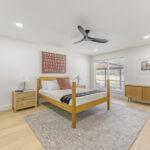
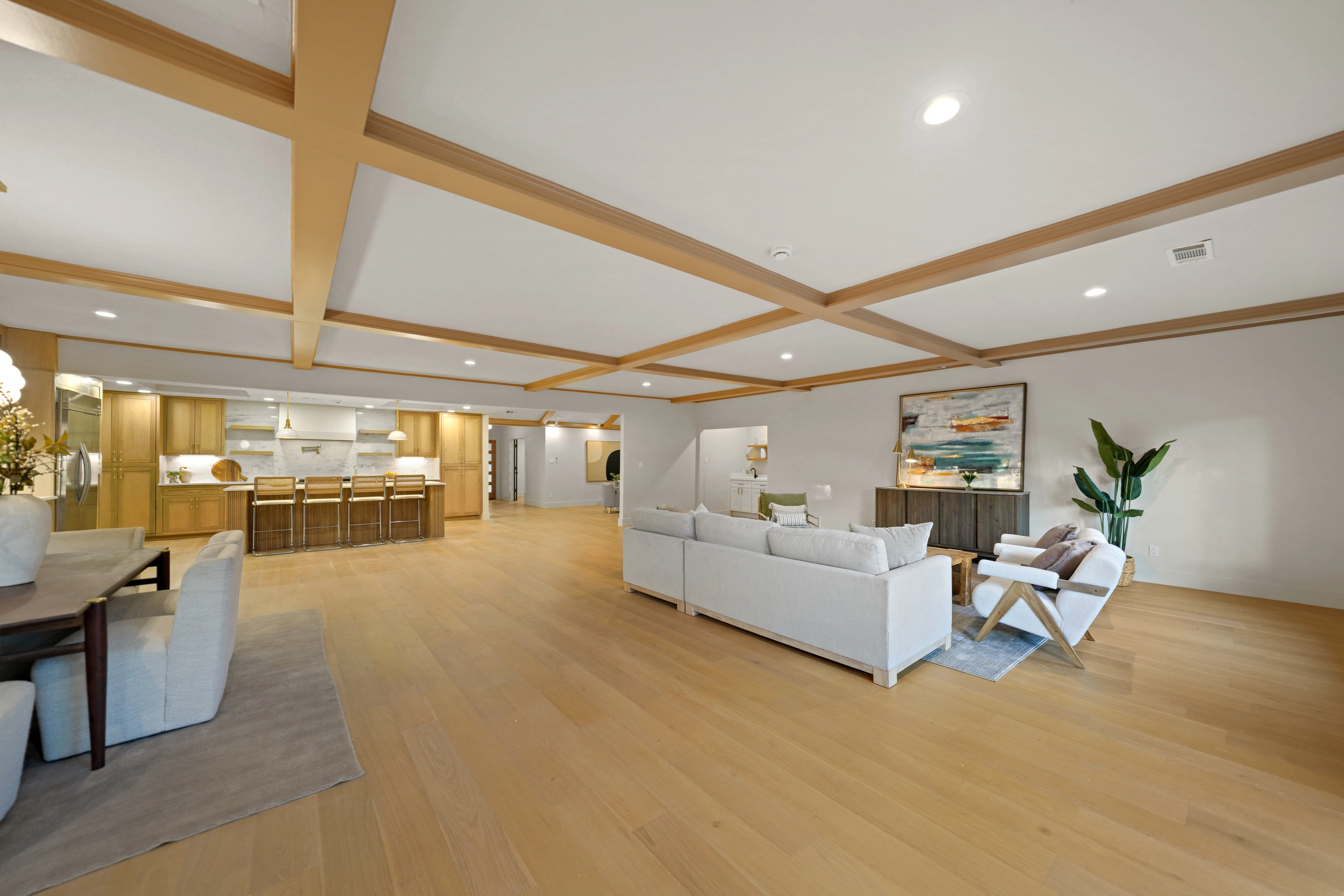
If your home currently has all bedrooms upstairs, you should think about whether you want to create a first-floor bedroom and bathroom option during your next major remodel. A flex room that can serve as a home office today and a main-floor bedroom in the future is a smart investment.
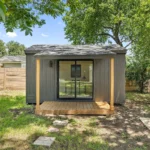
An ADU or garage conversion is another option — a fully independent, accessible living space on one level. You can see a completed example on the NuHorizon ADU project in downtown Austin — a 807 square foot fully accessible unit built to city code.
What Is Universal Design — and How Does It Apply to Your Remodel?
Universal design is a framework for building and remodeling spaces that work for people of all ages and abilities — from children to older adults, from fully mobile to wheelchair users. You can learn more through the Wikipedia overview of universal design principles. The key insight is that most universal design features look completely standard and stylish — curbless showers, lever handles, wider doorways — and do not stigmatize the home as an ‘accessibility retrofit.’
How Much Does Aging in Place Remodeling Cost in Austin?
Costs vary widely depending on the scope. A focused bathroom accessibility remodel — walk-in shower, grab bars, slip-resistant floor — typically ranges from $12,000 to $25,000. A whole-home aging-in place upgrade covering bathrooms, kitchen, doorways, and lighting can range from $40,000 to $80,000 or more.
You should view it as an investment — not just in resale value, but in years of independent, comfortable living.
Ready to Plan Your Aging in Place Remodel?
You do not have to wait for a crisis to make your home safer. The best time to plan aging in place modifications is during a remodel you are already considering. Connect with the NuHorizon licensed remodeling team and discuss how to integrate accessibility features into your current renovation plans. A free estimate is ready — and the team is experienced in making these changes look like they were always part of the original design.